A Comprehensive Overview to A/c: Navigating Common Problems in Cooling Units and Fixes
The complexities of HVAC systems often cause common cooling problems that can disrupt convenience. Comprehending the components and performance is important for home owners. Signs like insufficient air conditioning or strange sounds signal underlying problems. This overview outlines reliable troubleshooting methods, DIY remedies for minor fixings, and indicators that specialist help is needed. By exploring preventative upkeep tips, visitors can assure their systems operate efficiently. What actions should be taken to attend to these issues efficiently?
Comprehending Your HVAC System: Parts and Capability
A HVAC system is fundamental for keeping comfy indoor atmospheres, incorporating ventilation, heating, and air conditioning functions. It contains numerous vital elements, each playing a significant duty in its total operation. The heating system or central heating boiler produces warm, while the a/c unit cools the air to keep wanted temperatures. Air ducts distribute conditioned air throughout the area, guaranteeing even temperature guideline. Furthermore, the thermostat manages and checks the system's performance, allowing users to establish their recommended setups.
Air flow is necessary for keeping interior air high quality, including the exchange of stale interior air with fresh outdoor air. VacRock NY inc. Filters are incorporated right into the system to record dirt, allergens, and other particulates, advertising a much healthier atmosphere. Generally, comprehending these components and their functionalities allows homeowners to value the intricacy of their a/c systems and the relevance of routine maintenance for peak performance and long life
Common A/c Problems: Signs And Symptoms and Creates
Usual cooling problems can show up in different ways, consisting of inadequate cooling performance, uncommon noises, and undesirable odors. These symptoms usually suggest underlying concerns that need attention, such as cooling agent leaks or mechanical breakdowns. Additionally, constant cycling can suggest thermostat troubles or airflow constraints, indicating the demand for timely fixings.
Not Enough Cooling Efficiency
When an air conditioning system falls short to cool a room sufficiently, it can bring about pain and irritation for the residents. Not enough cooling performance can originate from various problems, including a filthy air filter, which limits airflow, or low cooling agent degrees due to leakages. Additionally, malfunctioning elements such as the compressor or evaporator can prevent reliable cooling. Thermostat settings might likewise be poorly configured, causing the system to underperform. Normal maintenance is vital to protect against these problems, making sure the cooling system runs efficiently. Determining the origin reason quickly can assist in prompt fixings and restore perfect cooling, improving interior comfort and expanding the lifespan of the unit.
Uncommon Sounds and Odors
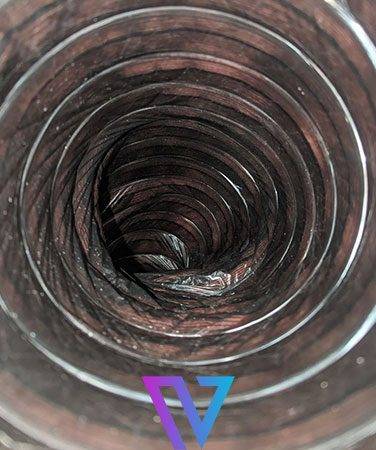
Unusual noises and odors from an air conditioning system can indicate underlying problems that need interest. Typical noises, such as grinding, rattling, or hissing, usually show mechanical problems, loose components, or refrigerant leaks. A grinding noise might recommend damaged bearings, while rattling can indicate loosened components that require protecting. Hissing noises may suggest a cooling agent leakage, which can jeopardize effectiveness.
Frequent Biking Issues
Frequent cycling issues in a/c systems can greatly influence convenience and power efficiency. This sensation takes place when the system switches on and off rapidly, stopping working to preserve a regular temperature. Typical signs and symptoms include changing interior temperature levels and raised energy bills. The root causes of regular biking might entail a malfunctioning thermostat, incorrect refrigerant levels, or filthy air filters that limit airflow. In many cases, a large cooling device can also result in fast cycling, as it cools down the space too rapidly without adequate runtime. Determining these problems immediately is essential, as prolonged cycling can lead to boosted wear on the system, minimized life expectancy, and greater repair service prices. Normal upkeep can minimize these troubles and boost general efficiency.

Repairing Your A/c Unit: Step-by-Step Overview
Lots of property owners come across problems with their cooling systems at some point, bring about pain during warm weather condition. To troubleshoot properly, one must first inspect the thermostat settings, guaranteeing it is set to "cool down" and the preferred temperature is less than the current space temperature. Next off, inspecting the air filters for dust and blockages is essential, as stopped up filters can impede air movement.
If the unit falls short to start, checking out the power supply and circuit breakers for any stumbled buttons is required. Listening for uncommon sounds can also supply clues; rattling or grinding may suggest loose parts or mechanical problems.
Finally, assessing the outside condenser system for debris or obstructions is necessary, as this can affect efficiency. By complying with these steps, homeowners can recognize typical issues before seeking specialist aid, guaranteeing a more comfy living atmosphere throughout the summertime.
DIY Fixes for Minor Cooling And Heating Issues
A range of minor HVAC concerns can commonly be attended to through straightforward DIY repair work, conserving both money and time for home owners. One common issue is a blocked air filter, which can limit airflow and reduce performance. Property owners can conveniently change or clean the filter to boost system performance. In addition, checking and tightening up loose electrical links can prevent unwanted power interruptions and improve safety and security.
One more uncomplicated task is cleaning up the condenser coils, which can gather dirt and particles, hindering warm exchange. By shutting off the unit and carefully cleaning the coils, property owners can keep optimal performance.
Ensuring that the thermostat is appropriately adjusted can remove inaccurate temperature analyses. A straightforward recalibration can lead to enhanced convenience and power financial savings. While these minor repair work are workable, it is necessary for home owners to recognize their restrictions and prioritize security throughout the process.
When to Call an Expert: Indicators You Required Specialist Aid
Just how can homeowners identify when it's time to seek professional heating and cooling help? Acknowledging the indications that suggest expert assistance is needed can protect against more difficulties. First, if the cooling system is blowing cozy air despite being readied to cool down, this might represent a refrigerant leakage or a malfunctioning compressor. Furthermore, unusual sounds such as grinding or screeching noises typically aim to mechanical concerns that call for professional treatment. House owners ought to likewise be sharp to odd odors originating from the unit, which might suggest electrical troubles or mold and mildew development. If the system regularly cycles on and off or shows irregular temperature levels throughout the home, it's suggested to speak with a professional. Lastly, if the energy costs spike unexpectedly, it might suggest inadequacy that might be finest attended to by a heating and cooling professional. Identifying these indicators can aid guarantee the durability and efficiency of the a/c system.
Preventative Maintenance Tips for a Smooth-Running Air Conditioner System
Preventative maintenance is necessary for making sure an air conditioning system runs effectively. Secret practices consist of regular filter substitute, seasonal system evaluations, and thermostat calibration checks. Applying these tips can assist prolong the life-span of the air conditioner system and boost its efficiency.
Routine Filter Substitute

Seasonal System Inspections
Yearly seasonal system assessments are essential for making certain a smooth-running air conditioning system. These inspections allow service technicians to recognize prospective issues prior to they rise right into costly repair services. During an examination, essential parts such as the compressor, condenser coils, and refrigerant degrees are completely examined. Technicians also check electric connections and check the overall efficiency of the unit. Cleansing the coils and making sure correct airflow are critical tasks that add to peak efficiency. Furthermore, seasonal assessments help maintain power performance, which can bring about lower energy bills. By setting up these examinations at the start of the air conditioning period, house owners can appreciate peace of mind, knowing their air conditioning system is in peak condition and all set to deal with the summertime warmth.
Thermostat Calibration Checks
Although commonly overlooked, thermostat calibration checks are important for keeping an effectively operating cooling system. An improperly calibrated thermostat can result in inaccurate temperature readings, causing the device to cycle needlessly or fall short to reach the desired convenience degree. To do a calibration check, one should contrast the thermostat's reading with a trustworthy thermometer put near the unit. Modifications may be required to ensure precision if discrepancies are found. Regular calibration checks, ideally conducted throughout seasonal assessments, can protect against extreme power consumption and promote a much longer life expectancy for the AC device. By prioritizing this easy yet important maintenance action, homeowners can boost convenience and performance, eventually decreasing repair costs and enhancing general system efficiency.
Often Asked Questions
Exactly How Can I Improve My HVAC System's Power Effectiveness?
To enhance heating and cooling system power effectiveness, one should consistently maintain filters, seal ducts, set up a programmable thermostat, guarantee correct insulation, and think about updating to energy-efficient models, eventually reducing energy consumption and reducing utility costs.
What Are the Advantages of Normal Heating And Cooling System Upkeep?
Regular heating and cooling system upkeep provides countless benefits, consisting of enhanced energy efficiency, improved air high quality, extended devices lifespan, minimized repair work prices, and regular Full Report temperature level control. These benefits add to a more comfy and affordable indoor setting.
How Commonly Should I Change My Cooling And Heating Filters?
The frequency of a/c filter replacement depends on use and type, however normally, it's advised every 1 to 3 months. Regular modifications keep suitable air high quality and system performance, prolonging the life expectancy of the HVAC device.
What Is the Typical Life Expectancy of a Cooling System?
The typical lifespan of an a/c device commonly ranges from 10 to 15 years (Commercial & Residential Refrigeration). Variables such as maintenance, use, and ecological problems can significantly affect this duration, affecting general effectiveness and efficiency in time
Exist Any Type Of Government Rebates for Energy-Efficient Cooling And Heating Upgrades?
The inquiry regarding government rebates for energy-efficient HVAC upgrades exposes that many areas use rewards. Property owners are urged to study neighborhood programs, as discounts can significantly minimize in advance costs and promote sustainable energy use.
The intricacies of HVAC systems typically lead to common air conditioning concerns that can interrupt comfort. The heating system or central heating boiler creates warm, while the air conditioning device cools the air to preserve wanted temperature levels. Air flow is important for maintaining indoor air quality, involving the exchange Find Out More of stagnant interior air with fresh outside air. If the air conditioning device is blowing cozy air regardless of being set to cool down, this might symbolize a cooling agent leakage or a malfunctioning compressor. Annual seasonal system assessments are essential for ensuring a smooth-running air conditioning system.